International road transport between Europe and North Africa plays a critical role in trade across the Mediterranean region.
It connects European manufacturers, distributors, and retailers with fast-growing North African markets.
Unlike purely intra-European transport, these routes combine road haulage with maritime crossings and complex customs procedures.
This makes planning, coordination, and documentation especially important.
Understanding how this transport flow works helps businesses avoid delays, unexpected costs, and compliance risks.
It also improves communication between shippers, carriers, and logistics coordinators.
This article explains the full process step by step, from loading in Europe to final delivery in North Africa and vice versa.
Why Europe – North Africa Road Transport Is Unique
Road transport between Europe and North Africa is not a simple point-to-point operation.
It involves multiple jurisdictions, regulatory systems, and transport modes.
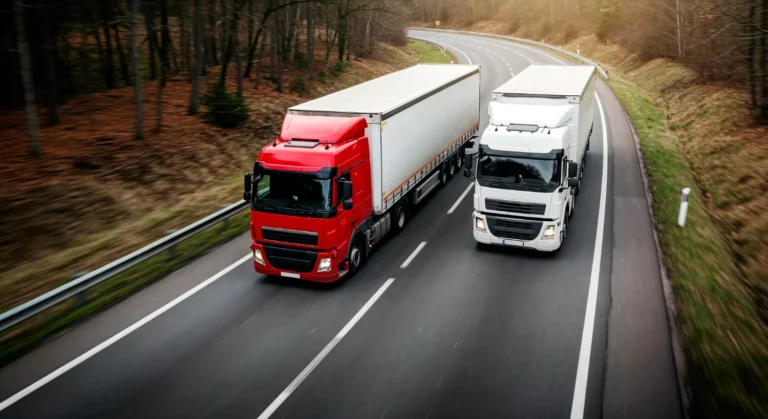
Goods typically travel by truck across European road networks.
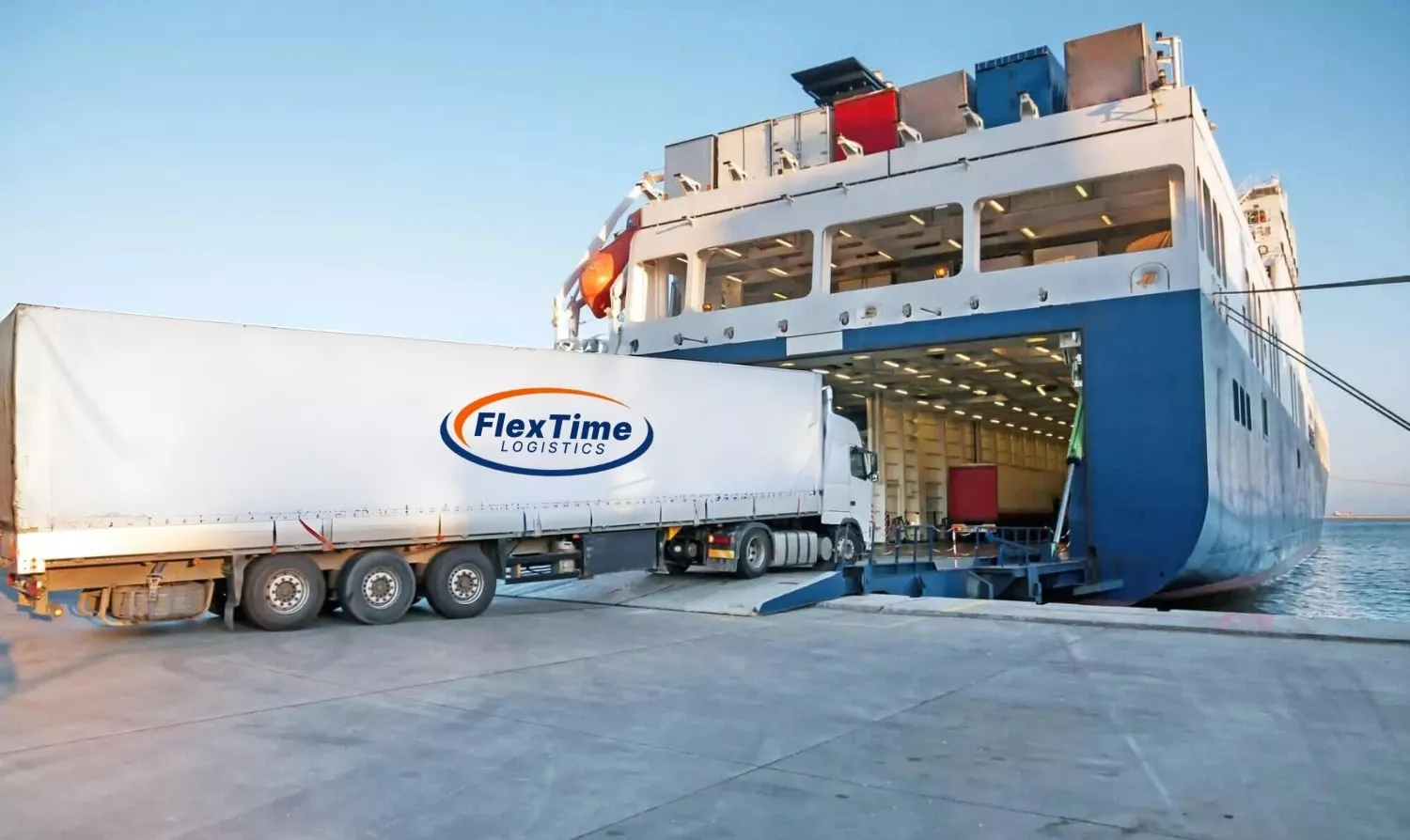
They then cross the Mediterranean Sea using short-sea shipping before continuing by road.
Each stage introduces operational and administrative requirements.
Delays at any point can affect the entire transport chain.
This complexity makes structured coordination essential for reliable delivery.
Typical Trade Flows Between Europe and North Africa
Direction of Transport
Transport flows operate in both directions:
- Exports from Europe to North Africa
- Imports from North Africa into Europe
Each direction has distinct documentation and customs requirements.
Common Cargo Types
Goods transported on these routes include:
- Industrial materials and machinery
- Automotive components
- Consumer goods
- Textiles and apparel
- Food and agricultural products
Cargo characteristics influence routing, documentation, and handling procedures.
Step 1: Transport Planning and Route Selection
Initial Transport Assessment
Every shipment starts with route and requirement analysis.
This includes origin, destination, cargo type, volume, and delivery timeframe.
Transport planners determine whether full truck load or groupage is suitable.
They also assess whether special conditions apply.
Choosing the Right Route
Europe–North Africa routes typically involve:
- Road transport from origin to a European port
- Maritime crossing across the Mediterranean
- Road transport from the African port to final destination
Route selection considers distance, transit time, border procedures, and port congestion.
Step 2: Road Transport Within Europe
European Road Haulage Phase
The first phase usually involves road transport within Europe.
Goods move from the shipper’s location to a designated port.
This stage follows EU road transport regulations, including driving time rules.
CMR documentation accompanies the shipment.
Loading and Securing Cargo
Proper loading is essential for long-distance transport.
Cargo must be secured according to European safety standards.
Incorrect loading can lead to delays, damage, or fines during inspections.
Step 3: Port Handling and Short-Sea Shipping
What Is Short-Sea Shipping?
Short-sea shipping refers to maritime transport over relatively short distances.
It is commonly used between Southern Europe and North Africa.
This method connects European ports with North African ports efficiently.
Port Operations
At the port, trucks or trailers are prepared for maritime crossing.
This may involve:
- Trailer drop-off
- Accompanied or unaccompanied transport
- Port documentation checks
Ports apply strict security and customs controls.
Maritime Transit
The sea crossing itself is usually predictable.
However, schedules depend on weather, port traffic, and vessel availability.
During this phase, cargo remains under customs supervision.
Step 4: Customs Procedures
Why Customs Procedures Are Required
North African countries are outside the European Union.
This means customs clearance is mandatory in both directions.
Customs procedures verify legality, value, origin, and classification of goods.
Export Customs Clearance in Europe
Before leaving the EU, goods must be declared for export.
This includes submitting electronic export declarations.
Customs authorities may request inspections or additional documents.
Import Customs Clearance in North Africa
Upon arrival, goods must be cleared through local customs.
Requirements vary by country but often include:
- Commercial invoice
- Packing list
- Certificate of origin
- Import licenses, if applicable
Accuracy is critical to avoid delays.
Transit Procedures
In some cases, transit documents are used to move goods under customs control.
This allows cargo to move without immediate payment of duties.
Transit procedures must be correctly closed at destination.
Step 5: Road Transport in North Africa
Post-Clearance Road Transport
Once customs clearance is completed, goods continue by road.
This final leg delivers cargo to the consignee.
Local regulations and infrastructure conditions influence delivery planning.
Regional Considerations
Road conditions, checkpoints, and delivery windows vary by country.
Understanding local transport environments is essential.
Coordination with local partners helps ensure smooth delivery.
Step 6: Documentation Management Throughout the Journey
Core Transport Documents
Key documents accompany shipments throughout the route:
- CMR consignment note
- Commercial invoice
- Packing list
These documents must remain consistent.
Additional Required Documents
Depending on cargo and destination, additional paperwork may include:
- Customs declarations
- Certificates of origin
- ADR documents
- Health or phytosanitary certificates
Missing documents cause significant delays.
Step 7: Monitoring and Communication
Importance of Shipment Visibility
Europe–North Africa routes require continuous monitoring.
Multiple transport stages increase the risk of disruptions.
Regular updates help shippers plan inventory and production.
Managing Delays
Delays can occur due to weather, port congestion, or customs inspections.
Early communication reduces operational impact.
Monitoring allows corrective actions when issues arise.
Typical Transit Times
Factors Affecting Transit Time
Transit time depends on:
- Origin and destination distance
- Port selection
- Customs clearance duration
- Traffic and weather conditions
No two shipments are exactly the same.
Planning Realistic Schedules
Realistic scheduling includes buffer time.
This helps manage expectations and avoid penalties.
Overly optimistic timelines increase operational risk.
Common Challenges in Europe–North Africa Transport
Documentation Errors
Incorrect or incomplete documents are the most frequent issue.
They often result in customs delays.
Regulatory Differences
Each country applies its own regulations.
Misunderstanding local rules leads to compliance problems.
Coordination Gaps
Multiple parties are involved in these routes.
Poor coordination increases the risk of miscommunication.
The Role of Logistics Coordination
Why Coordination Matters
Europe–North Africa transport requires centralized oversight.
Coordination ensures all stages align.
It reduces the risk of fragmented responsibilities.
Freight Forwarding Function
Logistics coordinators manage carriers, routes, and documentation.
They act as a central point of contact.
This simplifies complex transport chains for shippers.
Risk Management in Cross-Continental Road Transport
Identifying Risks Early
Risks include delays, documentation issues, and cargo damage.
Early identification allows mitigation.
Preventive Measures
Preventive measures include:
- Accurate documentation
- Verified partners
- Realistic planning
These reduce disruptions.
Digitalization and Europe–North Africa Transport
Electronic Documentation
Digital documents improve speed and accuracy.
They reduce manual errors.
However, acceptance varies by country.
Tracking and Visibility Tools
Tracking tools provide shipment status updates.
They improve transparency across transport stages.
Sustainability Considerations
Route Optimization
Optimized routes reduce fuel consumption.
This lowers emissions.
Efficient planning supports sustainability goals.
Modal Balance
Combining road and sea transport improves efficiency.
It reduces long-distance road mileage.
How Businesses Benefit From Structured Transport Planning
Structured planning improves reliability.
It reduces unexpected costs.
Businesses gain better control over supply chains.
Key Takeaways for Shippers
Europe–North Africa road transport is complex but manageable.
Understanding the process improves outcomes.
Documentation, planning, and coordination are critical success factors.
Why Experience Matters
Experience helps anticipate challenges.
It supports informed decision-making.
Experienced coordination reduces operational risk.
Transport Between Europe and North Africa as a Strategic Corridor
This corridor continues to grow in importance.
Trade volumes increase each year.
Efficient transport supports economic cooperation between regions.
Final Thoughts on Europe–North Africa Road Transport
International road transport between Europe and North Africa requires more than trucks and routes.
It demands structured coordination, compliance awareness, and clear communication.
When each step is properly managed, these routes become reliable trade corridors.
Prepared businesses gain efficiency, predictability, and long-term stability in cross-border logistics.